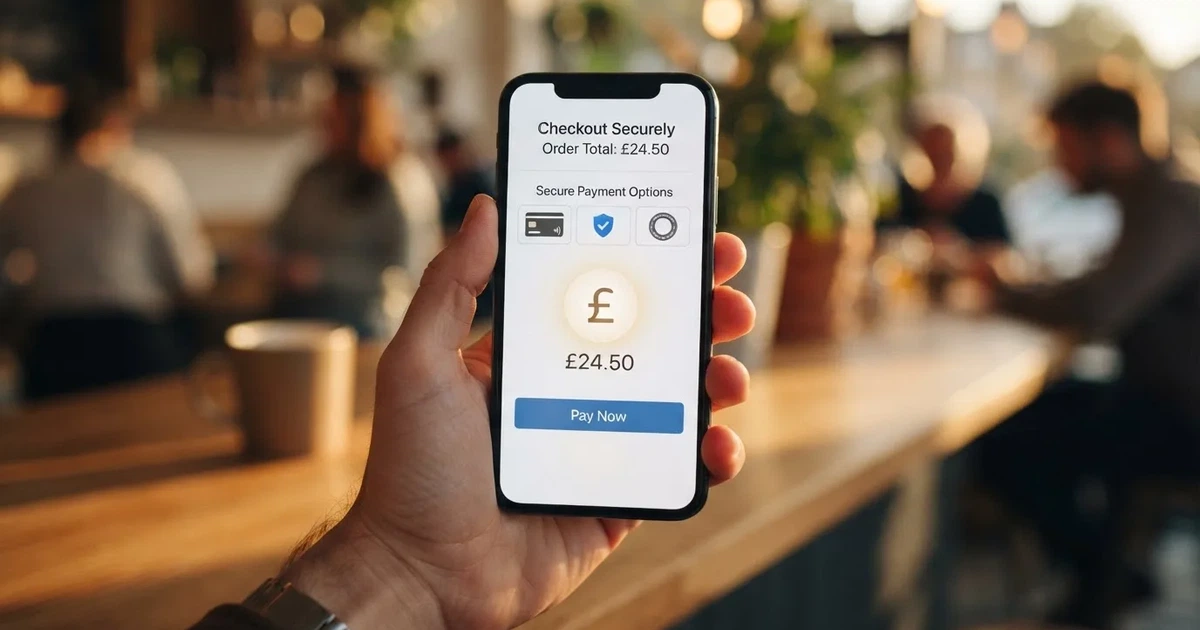
Casino sites that accept debit card in the UK: how the licensed market handles the everyday payment method
 Available in GB
A debit card is the unremarkable default. Money leaves the bank account at the moment of the transaction and arrives in the casino balance within seconds; no credit line sits behind it, no instalment plan collects later. At a casino licensed by the Gambling Commission, that ordinariness is also the point — the regulator allows the method, the player’s bank allows the method, and the casino’s deposit page treats it the same as every other rail. The interesting question is not whether a UK-licensed casino accepts one. It does. The interesting question is what that simple act actually costs the person using it, once the verification step, the mandatory affordability prompt, the 10x wagering cap and the GAMSTOP enrolment have all been accounted for.
Currency stamp: data current as of 23 September 2026 against the Gambling Commission’s public register of gambling businesses.
Table of Contents
- What a debit card deposit looks like inside a licensed British casino
- The 10x wagering cap and what it does to a bonus
- How deposits and payouts compare across the methods a UK casino actually supports
- The legal frame a debit card deposit sits inside
- What responsible play looks like when the payment method is a debit card
- The licensed brands a UK player can compare on the debit card question
- Reading the register the way a player should read it
- Comparing the licensed brands on the things that matter for a debit card deposit
- What a UK player actually decides when picking a debit card casino
- Frequently asked questions
What a debit card deposit looks like inside a licensed British casino
A debit card draws money straight from a current account. That is the entire difference from a credit card, which defers the bill and is banned for gambling in Great Britain since 14 April 2020. The cards themselves sit on one of five global networks — UnionPay, American Express, Discover, Mastercard and Visa — and on older UK-issued plastic still carry the legacy Switch and Solo brands that were folded into Maestro for international compatibility. None of that changes anything the player sees at the cashier.

What does change is the sequence a first deposit goes through. Identity and age verification have to complete before money is taken. Name, address and date of birth are checked, a process in place since 7 May 2019, and any mismatch pulls the deposit back. On top of that, since 31 October 2025 the operator must prompt the customer to set a financial limit before the first deposit goes through. A player can refuse to set one, but the prompt itself is mandatory; the cashier page will not let the transaction complete without it being shown. A financial vulnerability check triggers separately, at £150 of net deposits across a rolling 30 days, and runs on public data only.
The deposit itself, once those gates have opened, credits almost immediately. The figure on the cashier page is the figure that lands in the playable balance — the bank authorises the transfer, the operator posts it, and the reels are free to spin. There is no hold, no pending window, and no separate fee charged by the casino for the rail. The bank’s own charges, where any exist, apply on the bank side rather than the gambling side; a small handful of UK banks offer a gambling-transaction block (Barclays runs one through the “Manage your cards” section of its app), which is the reverse arrangement — the bank stops the payment before the casino sees it.
The withdrawal back out to the same debit card is the slower half of the round trip. It follows the same settlement timetable as any other method: instant in the best case, a few working days at the upper end, depending on the operator’s payments team, the card issuer’s processing window and whether the account has completed source-of-funds verification. The deposit side is fast because it is essentially a card authorisation; the withdrawal side is slower because it is a real money movement back to a bank account, with the usual anti-fraud and reconciliation steps in between.
The 10x wagering cap and what it does to a bonus
The headline change for anyone depositing with a debit card at a UK-licensed casino in 2026 is the wagering cap that came into force on 19 December 2025. Bonus wagering requirements are now capped at 10x. Mixed-product bonuses — the “bet £10 on sport, get 50 casino spins” pattern that used to be a default across the market — are banned outright. A welcome package at a licensed site from that date forwards cannot carry a 40x playthrough, cannot bundle a sportsbook free bet into a slots offer, and cannot present itself as a reward for a deposit rather than a separate promotion.
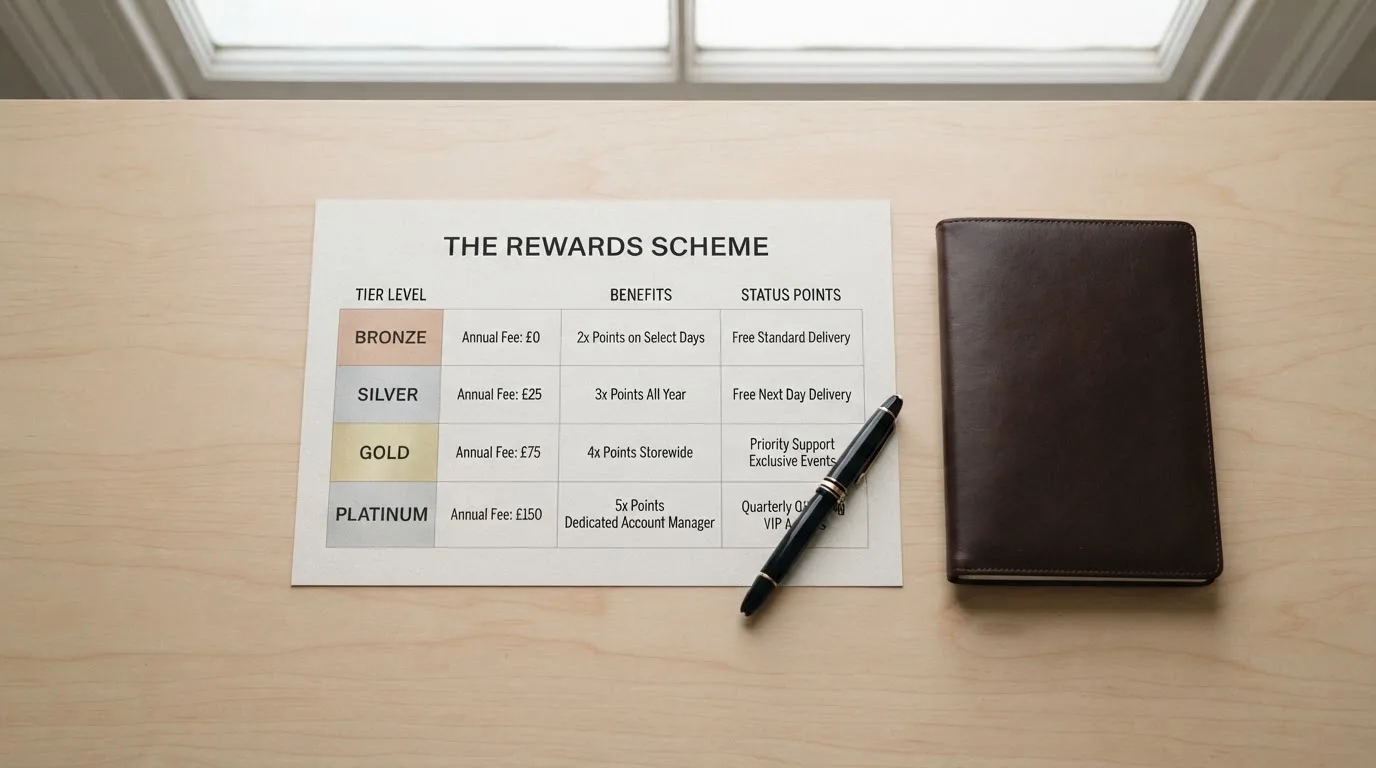
What this does, in practice, is compress the range of offers a player can compare. Before the cap, two welcome packages at two licensed casinos could sit at 35x and 60x respectively and look like offers of different size; the cap means the upper end of that range is gone. The honest comparison between two licensed casinos is now between offers whose playthrough multiples are within a band rather than a world apart. The figure that still moves, and moves sharply, is the bonus amount itself: a £10 bonus at 10x turnover needs £100 of qualifying play; a £50 bonus at 10x needs £500; a £200 bonus at 10x needs £2,000. The multiplier is fixed; the absolute cost scales with the headline number.
The arithmetic belongs to the player, not the marketing page. Turnover = bonus × 10. Spins at £1 a spin = turnover. Hours at 2.5 seconds per spin (the floor under all licensed slots in Great Britain since 31 October 2021) = spins × 2.5 ÷ 3,600. A £200 bonus at 10x, wagered at the maximum slot stake of £5, runs to 400 qualifying spins, which at the regulator’s minimum interval is roughly 17 minutes of mechanical play — though no player completes a bonus at full stake and constant pace, and the realistic cost is the time the bankroll survives the wagering rather than the theoretical minimum. At an average slots RTP in the mid-90s, the expected loss from clearing a £200 bonus at 10x wagering sits in a low-tens-of-pounds range; at the 10x cap, that loss band sits inside a narrower corridor than the same calculation would have produced under the old 35x regime, which is exactly the policy the cap was written to produce.
The same cap applies to free spins winnings. Free spin value is converted into bonus credit at the rate the operator publishes, the converted amount is then subject to 10x playthrough, and the same arithmetic runs through the same formula. A reader who skips the cap and reads a “100 free spins” headline as a freebie is reading the wrong figure. The £100 of slot turnover at the maximum stake, times whatever the conversion rate is, times 10, is the actual clearing target.
How deposits and payouts compare across the methods a UK casino actually supports
Debit card sits at the centre of a small cluster of payment rails a licensed British casino offers. Each has its own trade-off, and the trade-off is rarely the headline-grabbing one the cashier page leads with.
The debit card itself — Mastercard, Visa or, less commonly in the UK, American Express — is the rail most players default to. Deposits are instant. Withdrawals run from minutes to a few working days, with the upper end shaped by the card issuer’s own processing rather than the operator’s delay. There is no fee on the casino side in the normal case; the bank may apply its own cash-advance treatment in rare cases for gambling transactions, which a player should check with their bank before assuming.
Bank transfer, direct from a UK current account to the operator’s client-money account, sits at the slower end. A same-day transfer through Faster Payments often lands within an hour or two; a CHAPS transfer, used for larger sums, clears the same day at a higher bank fee. The withdrawal half is the slowest of the common rails, with bank transfers running up to three working days at the upper end of the range.
E-wallets, where licensed casinos offer them, are the fastest rail for withdrawals — typically within minutes once the operator’s own approval queue has cleared the request. The catch is verification: an e-wallet account has to be in the player’s own name, the KYC step still has to pass, and the wallet provider’s own terms apply on top. A handful of wallets are out of reach for UK play, where the operator has declined to integrate them.
Apple Pay is a deposit-only rail at most UK-licensed casinos. It sits over the underlying debit card, tokenises the card number into a device-specific Device Primary Account Number and generates a dynamic security code per transaction; in-store it uses NFC to talk to a contactless terminal. Authentication on a Face ID iPhone is a double-click of the side button; on Touch ID models, the same gesture on the Home button. Apple Pay’s UK card support has been live since 14 July 2015. As a withdrawal target Apple Pay is rarely supported — the cash comes back to the underlying debit card.
Prepaid and voucher schemes, where licensed casinos accept them, treat the voucher as a deposit instrument only. The voucher is bought from a retailer, redeemed at the cashier, and the deposit lands when the redemption posts. Withdrawals do not return to a voucher — they return to a bank account.
Monzo and Starling, the UK challenger banks, sit somewhere between debit card and bank transfer in practice. Monzo received its full UK banking licence from the Prudential Regulation Authority and FCA in April 2017; Starling received its UK banking licence in July 2016 and reported total assets of £16.6 billion in 2026. Both issue Mastercard debit cards that work through the standard debit-card rail, and both offer gambling-transaction controls inside their apps — a toggle that blocks outbound gambling payments at the bank rather than at the casino. That is the cleanest place for a player who wants to enforce a hard ceiling across every site, because it cuts the rail rather than setting a per-site deposit limit that one site might lose track of.
AstroPay operates as a global digital wallet offering online payments, virtual and physical debit cards, and peer-to-peer transfers. Its UK entity Larstal Limited is an electronic money institution authorised by the Financial Conduct Authority under the Electronic Money Regulations 2011; its Isle of Man entity is licensed by the Isle of Man Financial Services Authority; its Danish entity is authorised by the Danish Financial Supervisory Authority; and its Brazilian entity is authorised by the Brazilian Central Bank as an electronic currency issuer. Where a UK-licensed casino lists AstroPay at the cashier, that is the regulatory footprint the wallet itself sits on.
The bank-side block is worth a separate mention. Barclays offers a gambling transaction block through the “Manage your cards” section of its app; the block applies to debit card payments to gambling providers the bank can detect. The bank is clear that the customer remains responsible for transactions it cannot detect — an important caveat, because a block at the issuing bank is only as good as the merchant categorisation the bank uses.
The legal frame a debit card deposit sits inside
Every operator taking customers in Great Britain needs a Gambling Commission licence, and a debit card deposit is one of the routes a customer can use to get money into an account held under that licence. The Gambling (Licensing and Advertising) Act 2014 closed the gap that had let overseas-licensed brands serve British customers without a Commission licence; a Curaçao, Malta or Gibraltar licence on its own does not cover players based in Great Britain. Section 33 of the Gambling Act 2005 makes providing gambling to people in Great Britain without a licence an offence; the Commission can issue cease-and-desist notices, refer sites for search-engine delisting and pass payment and hosting information upstream, but it has no power to order ISP-level blocking in the way some other regulators do.
The public register is the whole test of whether a brand is licensed. On 18 September 2026, the register listed 139 businesses holding an active remote casino operating licence; the register can be searched online and downloaded as CSV or Excel. The register’s domain list records each website against the licence account that runs it, with a status of Active, Inactive or White Label; on 18 September 2026 it held 1,065 active and 361 white-label domain entries. A white-label site trades under another company’s licence, which is why several consumer-facing brands can share a single licensee — Ladbrokes, Coral and Gala Bingo, for example, all sit under LC International Limited. The remote casino licence number carries the form account number-R-licence number-suffix, where the leading six digits repeat the licence holder’s account number and the “R” marks a remote (online) licence.
Age 18 is the floor for any real-money play, and the verification step is not optional. Name, address and date of birth are checked before the first deposit or any play, and that gate has been in place since 7 May 2019. The customer protection framework that wraps around that gate has tightened sharply in the last two years. Online slots carry a maximum stake per game cycle of £5 for players aged 25 and over (from 9 April 2025) and £2 for players aged 18 to 24 (from 21 May 2025). Auto-play is banned since 31 October 2021, a slot spin may not be faster than 2.5 seconds, and losses disguised as wins are banned. Anonymous play is not possible at a licensed site.
The player protection stack is mandatory across the whole market. GAMSTOP, the national online self-exclusion scheme, has been a condition of every online licence since 31 March 2020; self-exclusion periods are six months, one year or five years and cannot be cancelled early. The wider financial risk assessments have been announced but are not yet in force. The National Gambling Helpline (GamCare) and GambleAware are the support routes any licensed operator points a customer to; the Commission’s approved ADR providers handle disputes a customer cannot resolve with the operator directly. The financial vulnerability check at £150 of net deposits across a rolling 30 days, in force since 28 February 2025, uses public data only.
The tax side is the simplest part of the frame for the player. UK players pay no tax on gambling winnings; operators pay Remote Gaming Duty, which rose from 21% to 40% from 1 April 2026. The duty is an operator-side cost and does not change what a debit card deposit clears in the player’s balance.
Offshore is the part of the frame the debit-card holder needs to keep in view. A site licensed only in Curaçao, Malta or Gibraltar, and accepting deposits from British customers, is operating outside the Commission regime. The penalty in that case is not aimed at the player — there is no player-side offence in placing a bet with an unlicensed operator. The penalty is the loss of the protection stack the Commission provides: no GAMSTOP enrolment check, no approved ADR route, no complaints channel with the regulator, no source-of-funds oversight beyond what the operator itself chooses to apply. That is the real cost of a deposit at an offshore site, and the cost is invisible until something goes wrong.
What responsible play looks like when the payment method is a debit card
Responsible gaming at a UK-licensed casino is not a paragraph on a footer page. It is a stack of mandatory controls that sit between the player and the cashier, and a debit card deposit runs through every one of them. The point of the stack is not to make gambling impossible; it is to make the cost of each session legible, and to make the off-ramps work when a player decides they want one.
Deposit limits are the first layer. There is no state-set deposit or loss ceiling — that is a common misreading of the UK regime, where limits are operator-imposed rather than regulator-imposed. What the regulator requires is that the operator prompt the customer to set a financial limit before the first deposit, and that prompt has been mandatory since 31 October 2025. The player can accept the prompt with a chosen figure, or accept it with a deliberately low figure, or — within the operator’s own terms — decline to set one at all. The choice is the player’s; the prompt itself is the operator’s duty.
Reality checks are the second layer. A pop-up at fixed intervals asks the player how long they have been playing and how much they have spent; the response can be a continuation or a session-end. The interval is set by the operator within Commission guidance, and the pop-up cannot be dismissed without acknowledgement.
Time-outs are the third layer, sitting between the day-to-day reality check and the longer self-exclusion. A time-out is a short operator-side block — 24 hours, a week, a month — that prevents play at one brand for the chosen window. It is the right tool for a player who wants a break without committing to a longer exclusion.
Self-exclusion through GAMSTOP is the fourth layer and the heaviest. Once registered, a player is blocked at every UK-licensed online operator for six months, one year or five years; the exclusion cannot be cancelled early. GAMSTOP enrolment is a mandatory condition of every online licence since 31 March 2020, and a licensed casino is required to check the GAMSTOP database before allowing a new account to open. A debit card deposit at a licensed casino goes through that check at registration, not at the cashier.
The financial vulnerability check at £150 of net deposits in a rolling 30 days, in force since 28 February 2025, is the affordability layer. The check runs on public data only at that threshold; the wider financial risk assessments the Commission has announced will draw on a broader data set once they are in force. The check is not a soft prompt — a player whose deposit pattern triggers the check is asked to provide additional information, and the operator has discretion to apply further affordability controls or to close the account.
The bank-side controls sit alongside the operator-side stack. Barclays’ gambling transaction block, accessible through the “Manage your cards” section of its app, blocks debit card payments to gambling providers the bank can detect. Monzo and Starling both offer similar toggles inside their apps. These controls are not a substitute for the operator-side stack — a player who switches banks or uses a card the bank does not categorise as gambling loses the protection — but they are the cleanest cross-site ceiling a player can set, because they cut the rail itself rather than the per-site limit.
The off-ramps when any of this stops working are the GamCare National Gambling Helpline and the wider GambleAware support network. A licensed operator is required to surface those routes on every responsible-gaming page; the Commission’s approved ADR providers handle disputes that an operator and customer cannot resolve directly.
The licensed brands a UK player can compare on the debit card question
The ten brands below all hold an active Gambling Commission remote casino operating licence and appear on the public register. They are listed in the order the register’s domain list gives them and not as a ranking or a recommendation. Several of them sit under the same licensee — that is the white-label structure the register makes visible, and it is why a player should not assume that ten domains mean ten independent operators.
Betfair
Betfair sits on the public register as an active domain of account 39411, PPB Games Limited, which holds the active remote casino operating licence 039411-R-319335-010. The licensee is a long-standing Commission account holder; the licence number carries the standard account number-R-licence number-suffix shape, with the leading six digits repeating the account number. The site accepts debit card deposits through the standard UK rails. As with every Commission-licensed brand, identity verification has to complete before a first deposit, GAMSTOP enrolment is checked at registration, and the 10x wagering cap applies to any bonus on offer from 19 December 2025 forwards. The debit card deposit is one rail among several — bank transfer, Apple Pay, e-wallets where supported — and the same withdrawal timetable applies whichever rail the player used for the deposit.
kwiff
Kwiff is listed as an active domain of account 44448, Eaton Gate Gaming Limited, holding the active remote casino operating licence 044448-R-323408-017. The licence number sits in the standard shape. The site’s debit card support runs through the standard UK rails, with deposits crediting immediately and withdrawals following the same settlement timetable as other methods. The brand’s distinguishing feature, where one is needed, sits in its own product rather than in the cashier — the site is better known for its sportsbook quirk than for its casino floor. Bonuses here operate within the 10x playthrough limit.
888casino
888casino sits on the register as an active domain of account 39028, 888 UK Limited, holding the active remote casino operating licence 039028-R-319297-014. A long-standing Commission account holder with a dedicated UK-licensed entity; the licence number is the standard shape. Debit card deposits credit immediately. The site runs a large slots library alongside its live casino product, which is the area where the 10x wagering cap applies to anything that carries a playthrough. Identity verification, GAMSTOP enrolment and the affordability prompt at first deposit all apply in the same way as at any other Commission-licensed brand.
Grosvenor Casinos
Grosvenor Casinos is listed as an active domain of account 57924, Rank Interactive (Gibraltar) Limited, holding the active remote casino operating licence 057924-R-334666-005. The licensee’s Gibraltar registration is a corporate residency, not a substitute for the Commission licence — the Gambling (Licensing and Advertising) Act 2014 makes a Commission licence the requirement for any operator taking British customers, regardless of where the operator itself is incorporated. The site accepts debit card deposits, and the brand’s high-street casino footprint is the background against which the online product is built. Wagering requirements for all bonuses adhere to the 10x cap.
Gala Bingo
Gala Bingo sits on the register as an active domain of account 54743, LC International Limited, holding the active remote casino operating licence 054743-R-330863-014. The licensee is the same entity that holds Ladbrokes and Coral; this is the white-label structure the register makes visible. The site carries a bingo-led product alongside slots and live casino, and debit card deposits credit immediately. The Commission’s rules apply in the same way across the LC International estate — GAMSTOP enrolment, identity verification, the 10x wagering cap, the affordability prompt — and the shared licensee means a player who self-excludes through GAMSTOP is excluded across all three brands at once.
Virgin Games
Virgin Games is listed on the register as a white-label domain of account 38905, Gamesys Operations Limited, holding the active remote casino operating licence 038905-R-319430-022. The white-label status is the point worth flagging: the player-facing brand is Virgin Games, but the licensed operator is Gamesys Operations Limited, and any Commission complaint routes through the licensee rather than the brand. Debit card deposits credit immediately. Slot play is subject to the £5 and £2 stake caps, while bonus wagering is capped at 10x.
PokerStars
PokerStars sits on the register as an active domain of account 39108, Stars Interactive Limited, holding the active remote casino operating licence 039108-R-319334-026. The .uk domain is the British-facing variant and the one that appears on the register. The brand’s poker heritage is its distinguishing feature, but the casino floor is a substantive product alongside it. Debit card deposits credit immediately; withdrawals follow the standard timetable. Bonus offers are limited by the 10x playthrough cap, and slots play remains subject to the standard stake limits.
32Red
32Red is listed as an active domain of account 45322, Platinum Gaming Limited, holding the active remote casino operating licence 045322-R-324275-019. A long-standing Commission account holder with a UK-licensed entity; the licence number is the standard shape. The site runs a slots-led product with a strong live casino section. Debit card deposits credit immediately. Bonus playthrough is limited to 10x, and mandatory checks such as the affordability prompt and GAMSTOP enrolment apply to all new accounts.
bet365
bet365 is listed as an active domain of account 55149, Hillside (UK Gaming) ENC, holding the active remote casino operating licence 055149-R-331499-004. A high-volume Commission account holder with a UK-licensed entity. The site’s debit card support is the standard UK rail, with deposits crediting immediately and withdrawals following the same settlement timetable as other methods. The brand’s distinguishing feature is the breadth of its sportsbook and in-play product, with the casino floor running alongside rather than at the centre. The Commission’s rules apply in full.
MrQ
MrQ is listed as an active domain of account 60629, Tek Fox Ltd, holding the active remote casino operating licence 060629-R-337532-004. The licence number carries the standard shape. The brand positions itself around a no-wagering welcome offer, which is the cleanest application of the post-19 December 2025 wagering cap: a free spins welcome where the winnings convert to cash rather than to bonus credit carries no playthrough at all, because the cap applies only where a bonus is created. Debit card deposits credit immediately. GAMSTOP enrolment, identity verification and the affordability prompt apply at first deposit in the same way as at any other Commission-licensed brand.
Reading the register the way a player should read it
The public register is the only place where the licence number on a casino’s footer page can be checked against the actual operator. A reader who treats a footer licence number as decoration is taking the operator’s word for it; a reader who treats the register as the source of truth is checking that word. The 18 September 2026 snapshot gives 139 active remote casino licence holders and 1,065 active domains — a ratio of roughly one licence holder to seven or eight domains, which is the white-label density of the British market in numbers.
The status column on the domain list is the field that catches the white-label structure. An Active entry is a domain the licensee is running directly; a White Label entry is a domain the licensee is running on behalf of another brand. The difference matters for complaints and for accountability, because a White Label domain’s regulatory relationship runs through the licensee on the register rather than the brand on the marketing page. Virgin Games is the clearest example in the set above: a player-facing brand, but a Gamesys Operations Limited licence behind it.
The licence number itself is the right thing to check against the operator’s footer page. The number is structured as account number-R-licence number-suffix; the leading six digits should match the licence holder’s account number on the register; the “R” should mark a remote (online) licence; and the suffix is a per-licence version marker. A number on a footer that does not match an entry on the register is a number to walk away from.
Comparing the licensed brands on the things that matter for a debit card deposit
The table below covers the licensed brands above on the four fields a debit card player most often wants to compare. The columns are the brand, the licence holder and remote casino licence number, the domain status on the register, and where research carries a subject-support token for the brand, whether the operator’s own materials confirm debit card support. The last column is empty for every brand in this set — research carries no subject-support token for any of them, which means the debit card acceptance claim sits on the rail itself rather than on the operator’s own published confirmation, and a reader who wants that confirmation should check the cashier page after registration.
| Brand | Licence holder and GB remote casino licence | Domain status | Subject support |
|---|---|---|---|
| Betfair | PPB Games Limited, 039411-R-319335-010 | Active | — |
| kwiff | Eaton Gate Gaming Limited, 044448-R-323408-017 | Active | — |
| 888casino | 888 UK Limited, 039028-R-319297-014 | Active | — |
| Grosvenor Casinos | Rank Interactive (Gibraltar) Limited, 057924-R-334666-005 | Active | — |
| Gala Bingo | LC International Limited, 054743-R-330863-014 | Active | — |
| Virgin Games | Gamesys Operations Limited, 038905-R-319430-022 | White Label | — |
| PokerStars | Stars Interactive Limited, 039108-R-319334-026 | Active | — |
| 32Red | Platinum Gaming Limited, 045322-R-324275-019 | Active | — |
| bet365 | Hillside (UK Gaming) ENC, 055149-R-331499-004 | Active | — |
| MrQ | Tek Fox Ltd, 060629-R-337532-004 | Active | — |
The pattern the table surfaces is the licensee concentration. Three of the ten brands — Gala Bingo, alongside the related Ladbrokes and Coral — sit under LC International Limited, and Virgin Games sits under Gamesys Operations Limited. A player who self-excludes through GAMSTOP is excluded across the entire LC International estate at once, not just the brand they registered with, which is the practical consequence of the white-label structure the register makes visible. The other seven brands sit under separate licensees, each with its own remote casino licence and its own Commission-facing relationship.
The subject-support column reads as a column of em dashes for a reason. None of the ten brands in this set carries a subject-support token in the underlying research, which means the debit card acceptance claim is being made on the rail itself — Mastercard, Visa and, where supported, American Express all flow through the standard UK debit rails at any Commission-licensed casino, by virtue of the rail being available rather than by virtue of any per-operator confirmation. A reader who wants the per-operator confirmation should check the cashier page after registration; the register confirms the operator is licensed to take deposits, not that it has decided to take them through a specific rail.
What a UK player actually decides when picking a debit card casino
The decision is not which operator is most enthusiastic about debit card deposits. Every licensed operator is, because the rail is the default. The decision is which operator’s combination of product, withdrawal timetable and limits suits the way the player wants to play.
The product split is the first fork. A slots-led floor (32Red, 888casino) suits a player whose sessions run on reels; a live-casino floor (Grosvenor, 888casino) suits a player whose sessions run on table games; a bingo-led floor (Gala Bingo) suits a player whose sessions run on the bingo hall; a sportsbook-led site (bet365, Betfair, kwiff, PokerStars) suits a player whose casino play sits alongside a betting book. The 10x wagering cap applies across all of these, but the absolute cost of clearing a bonus depends on the headline bonus figure and the product mix.
The withdrawal timetable is the second fork. A player who wants their winnings back to a debit card on the same day is looking for an operator with a fast payments team; a player who can wait two to three working days is looking at bank transfer as the cleanest route. The deposit rail — debit card, bank transfer, e-wallet — is largely orthogonal to the withdrawal rail, because a licensed casino will typically return funds to the same method that funded the deposit where possible.
The limits are the third fork, and the one most often missed. The £5 stake ceiling for 25-and-over slots and the £2 ceiling for 18-to-24 slots are Commission-set and apply at every licensed operator; the deposit and loss ceilings are operator-set, and the prompt that requires the player to set them has been mandatory since 31 October 2025. A player who wants a hard ceiling across every site should set it at the bank (Barclays, Monzo, Starling) rather than rely on a per-site limit, because the bank-side block cuts the rail entirely.
The protection stack is the part of the decision the player should not have to choose between. GAMSTOP enrolment, identity verification, the affordability prompt and the 10x wagering cap apply at every Commission-licensed operator; the differences between operators on these are zero. Where a player sees differences, the differences are in the optional layers — the reality check interval, the time-out menu, the support routes — and these are the layers worth comparing once the mandatory stack has been accounted for.
Frequently asked questions
Is it legal for a licensed UK casino to accept debit card?
Yes. A Commission-licensed online casino accepts debit card deposits as one of several standard funding methods. Credit cards have been banned for gambling in Great Britain since 14 April 2020, but debit cards — which draw directly from the cardholder’s current account — sit on the allowed side of that line. The casino itself must hold an active remote casino operating licence from the Gambling Commission, regardless of where the operator is incorporated; a Curaçao, Malta or Gibraltar licence alone is not enough.
Is there a minimum deposit when paying with debit card?
Most UK-licensed casinos set a minimum deposit of £5 or £10 at the debit card cashier, though the figure is operator-specific. The £5 figure matches the maximum stake ceiling for online slots at players aged 25 and over, and the £2 figure matches the ceiling for 18-to-24 players — these are limits on the play side, not on the deposit side. There is no state-set minimum deposit at a licensed casino; the operator sets its own floor, and the player sees it on the cashier page before confirming.
How long does a debit card deposit take to show up in my account?
Almost immediately. A debit card deposit at a Commission-licensed casino is a card authorisation between the issuing bank and the operator, and the playable balance updates within seconds of the bank confirming the transfer. The deposit half of a round trip is the fast half; the withdrawal half, where money returns to the debit card, runs from minutes at the fastest end to a few working days at the slowest, depending on the operator’s payments team and the card issuer’s processing window.
Do I need to verify my identity before depositing with debit card?
Yes. Name, address and date of birth are checked before a first deposit or any play, and that gate has been in place since 7 May 2019. The check runs against public data and against the operator’s own document upload where the public check does not confirm. A deposit attempt before verification completes is held or returned; a debit card deposit at a licensed casino is never anonymous.
Does GAMSTOP self-exclusion cover an account funded with debit card?
Yes. GAMSTOP enrolment is a mandatory condition of every Commission online licence since 31 March 2020, and a licensed casino has to check the GAMSTOP database before allowing a new account to open. The funding method is irrelevant to the check — a self-excluded player is blocked regardless of whether they try to deposit with a debit card, a bank transfer, an e-wallet or any other rail. The exclusion runs for six months, one year or five years and cannot be cancelled early.
Are there any fees for depositing with debit card?
The casino side typically does not charge a fee on a debit card deposit. A small number of UK banks apply cash-advance treatment to gambling transactions, which is a charge the bank applies rather than the casino, and a handful of challenger banks block gambling transactions outright. A player who wants certainty on the bank side should check the issuing bank’s published terms before the first deposit, or activate a gambling transaction block if the bank offers one.
Created by the ”cryptocasinoguideuk” editorial team.